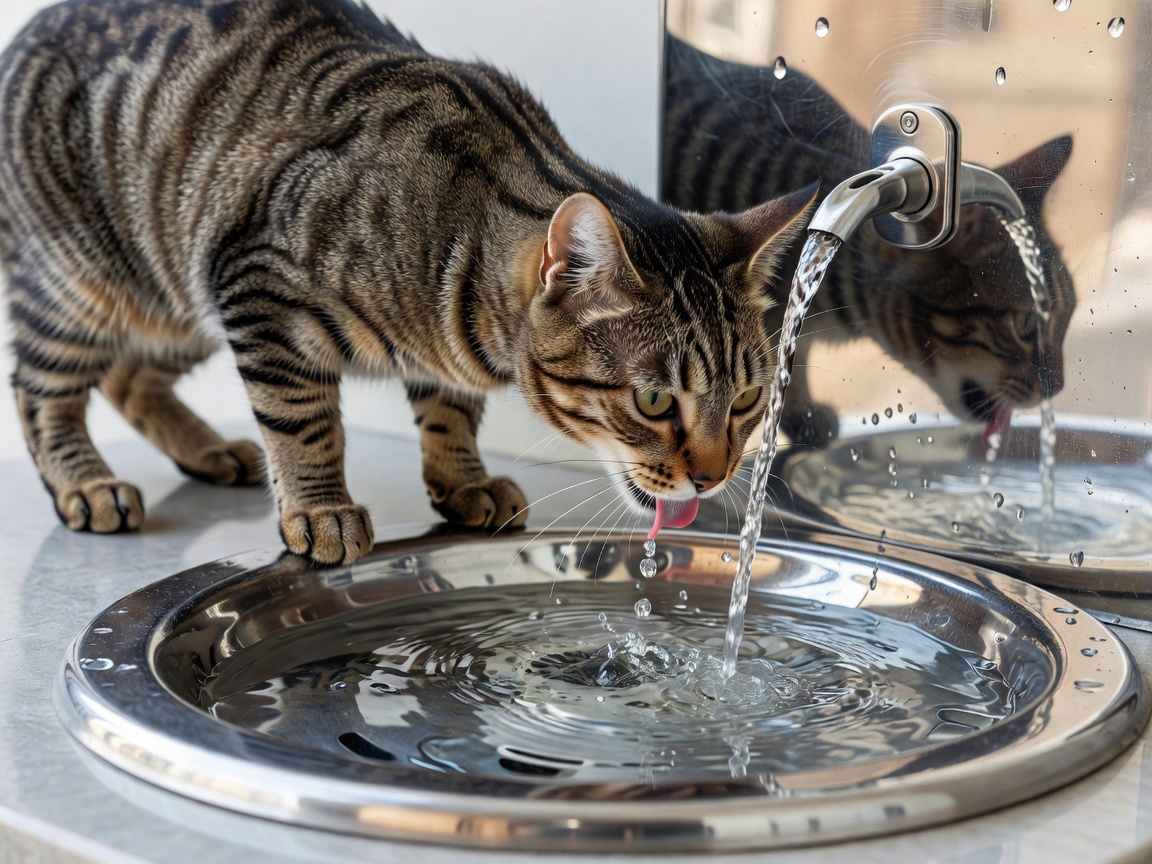
The Instinctual Drive for Moving Water
Many pet owners struggle to get their companions, particularly cats, to drink enough water. In the wild, cats and dogs instinctively avoid stagnant, standing water pools, which can harbor harmful bacteria and parasites. They are naturally drawn to the sound and movement of fresh, running streams. A static bowl of water next to their food dish often goes ignored, leading to chronic mild dehydration, which can result in urinary tract issues and kidney disease.
A pet drinking fountain solves this by continuously circulating and filtering the water. The gentle cascading sound attracts pets, and the aeration keeps the water tasting fresh and cool.
Evaluating Materials
When selecting a pet fountain, the construction material is arguably the most important factor for hygiene and longevity.
Plastic Fountains
Plastic models are the most affordable and come in a wide variety of shapes and colors. They are lightweight and often feature transparent reservoirs so you can easily monitor the water level. However, plastic can develop microscopic scratches over time. These scratches can harbor bacteria that cause "feline acne" on your cat's chin. If you opt for plastic, ensure it is BPA-free and replace it if the surface becomes noticeably scuffed.
Stainless Steel Fountains
Stainless steel is highly recommended by veterinarians. It is completely non-porous, meaning it will not harbor bacteria, and it is entirely dishwasher safe. Steel naturally keeps the water slightly cooler than plastic. While they tend to be more expensive upfront, their extreme durability makes them a cost-effective choice in the long term.
Ceramic Fountains
Ceramic fountains offer a heavier, more stable base, making them difficult for mischievous pets to tip over. Like steel, glazed ceramic is non-porous and easy to clean. They also blend well into home decor. However, they are heavy and can shatter if dropped in the sink during cleaning.
Filtration Systems Explained
The defining feature of a pet fountain is its filtration system, which generally employs two stages of cleaning:
- Mechanical Filtration: This is usually a sponge or mesh screen that wraps around the pump intake. Its job is to catch large debris like pet hair, food particles, and dust before they can enter the pump motor.
- Chemical Filtration: This is typically a replaceable cartridge containing activated carbon (charcoal) and sometimes ion-exchange resins. The carbon absorbs odors, bad tastes, and invisible impurities from the water, while resins can help soften hard water.
Maintenance and Cleaning Routine
A pet fountain requires more maintenance than a standard bowl. A neglected fountain will become slimy with biofilms and the pump will eventually fail.
| Task | Frequency | Details |
|---|---|---|
| Top off water | Daily | Ensure the pump is fully submerged to prevent motor burnout. |
| Clean the basin | Weekly | Disassemble and wash the main bowl and spout with hot, soapy water. |
| Rinse filters | Weekly | Rinse the carbon filter under cold tap water to remove trapped hair. |
| Deep clean pump | Bi-weekly | Remove the pump impeller and scrub inside the cavity with a small brush. |
| Replace carbon filter | Every 2-4 weeks | Install a new filter cartridge depending on how many pets use the fountain. |